Is IPTV Legal in the USA? What You Need to Know in 2026
IPTV is a technology — not a legal category. Whether any specific IPTV service is legal depends entirely on whether it operates with proper content authorization. This guide explains that distinction clearly so you can make informed decisions.
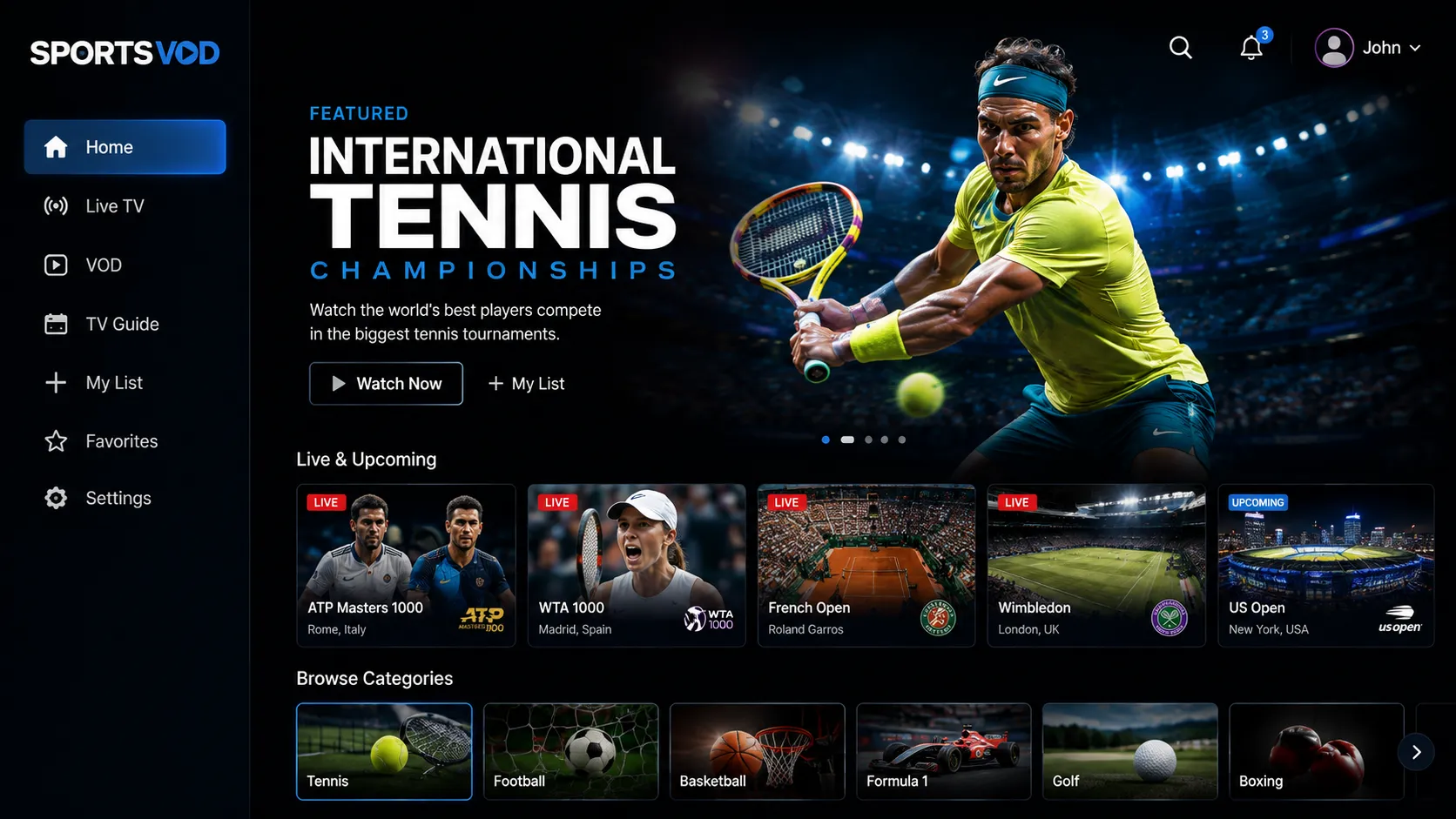
IPTV the Technology Is Legal. The Service You Choose May Not Be.
This is the most important distinction in the entire IPTV legality conversation, and it is one that gets conflated constantly — in casual discussions, in misleading marketing, and even in some media coverage.
IPTV — Internet Protocol Television — is simply a method of transmitting video content over an internet connection. The technology itself is completely neutral and entirely legal in the United States. Netflix, Hulu, Disney+, YouTube, and every major legitimate streaming platform uses IP-based video delivery. The delivery mechanism is not what determines legality.
What determines legality is whether the organization providing a specific IPTV service holds the necessary rights and licenses to distribute the content in their lineup. A service that has entered into proper licensing agreements with the copyright holders for every channel and program it carries is operating legally — just like any other authorized broadcaster or streaming platform. A service that redistributes channels, live TV feeds, or other copyrighted content without such authorization is infringing on those copyrights, regardless of the delivery technology used.
This means the question "is IPTV legal?" cannot have a universal yes or no answer. The correct question is: "Is this specific IPTV service operating with proper content authorization?" Our provider evaluation guide helps you assess this for any service you are considering.
Note: This page provides general information about IPTV legality for educational purposes. It is not legal advice. For specific legal questions about your situation, consult a qualified attorney.

Legal IPTV Services vs. Unauthorized IPTV Services
Understanding the practical difference between a properly authorized service and an unauthorized one helps you identify which category any specific provider falls into.
The US Legal Framework Around IPTV and Copyright
Understanding which laws apply to IPTV in the United States helps clarify why content authorization is the central legal question.
The DMCA is the primary US federal law governing copyright protection in the digital era. It makes the unauthorized reproduction or distribution of copyrighted content — including live TV broadcasts, sports programming, and movies — illegal. IPTV services that rebroadcast content without proper licensing agreements are distributing copyrighted material without authorization, which is a DMCA violation. The law's enforcement has historically focused on the operators and distributors, though end-user exposure is not eliminated entirely.
The Communications Act, updated multiple times since its original passage, establishes a framework for broadcast regulation in the United States. Provisions within the Act address the rebroadcasting of television signals and set out licensing requirements for entities that retransmit broadcast content. IPTV providers who retransmit live broadcast channels without proper retransmission consent agreements from the original broadcasters are operating outside this framework.
The Federal Communications Commission oversees broadcast content distribution in the US. Legitimate IPTV providers that retransmit cable or broadcast content must navigate FCC rules around retransmission consent and compulsory licensing. These rules exist to ensure that content creators and original broadcasters are compensated when their content is redistributed — a cost that unauthorized services avoid by operating outside the licensing system entirely.
Beyond criminal provisions, copyright infringement in the US is a civil matter that allows rights holders to pursue damages through civil litigation. Rights holders — including sports leagues, broadcasters, and content studios — have increasingly pursued legal action against unauthorized IPTV operators. Civil enforcement actions can result in injunctions, damages, and the shutdown of infringing services, which is why unauthorized IPTV services tend to appear and disappear unpredictably.
The US Copyright Office maintains comprehensive information about copyright law as it applies to digital content distribution. For authoritative legal reference, the full text of Title 17 of the US Code (Copyright Law) is publicly available on the US Copyright Office website — the primary statutory framework governing content rights in the United States.
Why Authorized IPTV Services Are Better Beyond Just Legality
The legal argument for using properly authorized IPTV services is clear — but the practical argument is equally compelling. Unauthorized services consistently underperform authorized ones in every operational dimension that affects day-to-day viewing quality.
Reliability and Longevity
Unauthorized IPTV services operate under constant threat of enforcement action. Rights holders and law enforcement regularly take down unauthorized streaming operations through domain seizures, server shutdowns, and legal action against operators. When this happens — often without any warning to subscribers — the service simply disappears. Subscribers lose their access immediately, with no recourse, no refund, and no continuity of service. Authorized services that hold valid content licenses are not subject to this kind of sudden shutdown.
Stream Stability
Properly authorized services invest in their infrastructure because they operate as sustainable, revenue-supported businesses. Unauthorized services often run on precarious, shared infrastructure with limited incentive for technical investment. The result is higher rates of buffering, stream dropouts, and peak-hour degradation compared to authorized services that maintain and scale their infrastructure as a business priority.
Security
Unauthorized IPTV apps — particularly those distributed as APK files outside official app stores — carry an elevated risk of containing malware or harvesting device data. Applications distributed through official stores (Amazon App Store, Google Play, Apple App Store) are subject to security review processes that provide a meaningful layer of protection. Apps from unknown sources bypass these protections entirely. Using authorized services distributed through official channels eliminates this security risk.
Support and Accountability
Authorized services operate as businesses with customer relationships to maintain. They have support channels, refund policies, and reputational incentives to resolve issues. Unauthorized services often have no meaningful support at all — or disappear entirely before any support issue can be resolved.
Other IPTV Legality Questions US Viewers Ask
Is it legal to own an IPTV device or set-top box?
Absolutely. The hardware itself — Fire TV Stick, Android TV box, MAG box, Apple TV, or any other device — is completely legal to own and use. Hardware is neutral technology. The legality question always relates to the content being accessed through the device, not the device itself. A Fire TV Stick loaded with authorized streaming apps is legally identical to one loaded with unauthorized IPTV services from the hardware perspective — the difference is in the content source.
Is Kodi legal?
Kodi is a free, open-source media center application developed and maintained by the XBMC Foundation. Kodi itself is completely legal software. The legal question arises from what add-ons or plugins are installed within Kodi and where those sources stream content from. Kodi with only official, authorized add-ons is legal. Kodi configured with third-party add-ons that access unauthorized streams is not meaningfully different legally from any other unauthorized streaming method — the application doesn't change the content rights situation.
Is using a VPN while watching IPTV legal?
Using a VPN in the United States is legal for privacy purposes. Routing your internet traffic through a VPN before it reaches your IPTV player does not change the legal status of the IPTV service you are connecting to. A VPN does not make an unauthorized service legal, and it does not make an authorized service illegal. VPN use is a separate privacy consideration from IPTV service legality. Some viewers use VPNs to protect their browsing and streaming data from their ISP — a personal privacy choice that is not legally problematic in the US.
What about IPTV services that show sports without blackouts?
Sports broadcasting rights in the United States are governed by complex licensing agreements that include geographic blackout restrictions for games broadcast on local TV stations. IPTV services that claim to bypass or eliminate these blackouts by providing out-of-market feeds without proper authorization are likely operating outside the licensing framework established by the leagues and broadcasters. Services that provide sports content without blackouts through proper out-of-market licensing agreements — comparable to how NFL Sunday Ticket works — are a different matter and operate with the required rights.
Choose the Right IPTV Service with Confidence
Now that you understand the legal landscape, these guides help you evaluate and choose a provider responsibly.
The complete framework for evaluating IPTV providers — channel lineup, stream quality, EPG, pricing transparency, and what separates reliable services from unreliable ones.
A free trial is the safest way to evaluate any IPTV service. This guide tells you what to test and how to evaluate quality before committing financially.
Focused on providers that perform best for US viewers — local channels, sports networks, and transparent operations that align with responsible streaming choices.
Choosing a player from official app stores rather than third-party APK sources is a key part of staying secure while streaming IPTV on any device.
Want Guidance on Choosing a Responsible IPTV Service?
We only direct visitors toward services that operate with transparency and responsible business practices. Reach out on WhatsApp and we'll help you find the right fit for your viewing needs.
Frequently Asked Questions About IPTV Legality in the USA
IPTV as a technology is completely legal in the USA. It is a method of delivering video over an internet connection — the same fundamental approach used by Netflix, Hulu, and YouTube. The legality question is about the specific service: services with proper content licensing agreements operate legally; services that redistribute content without authorization are infringing on copyright law regardless of the delivery technology. Always evaluate the service, not the technology.
Key signals of a legitimately operated IPTV service include transparency about their content rights model, published terms of service, standard payment processing (credit card or reputable digital payment), pricing that reflects the actual cost of content licensing, a verifiable business presence with accessible support, and a realistic channel lineup (not implausibly large counts at very low prices). Services that are deliberately vague about how they obtain content, require untraceable payment only, or claim enormous channel libraries at implausibly low prices are more likely to be operating without proper authorization.
Using an unauthorized IPTV service carries several categories of risk. From a legal standpoint, US copyright enforcement has historically targeted operators rather than end users, but the risk is not zero and enforcement practices can change. Practically, unauthorized services are unreliable — they can shut down without warning when enforcement actions occur, leaving subscribers without service or refund. Security risks are also elevated, particularly with apps distributed outside official stores, which may contain malware. Choosing properly authorized services eliminates all of these risks simultaneously.
Yes, using a VPN in the United States is legal. VPN use is a personal privacy decision that is separate from the legal status of the IPTV service you connect to. A VPN does not change whether your IPTV service operates legally — it only routes your traffic through an intermediary server for privacy purposes. Some users employ VPNs to protect streaming data from ISP monitoring, which is a legitimate privacy practice. Using a VPN to circumvent geographic restrictions may violate the terms of service of specific content platforms, but is generally not a criminal matter in the US context.
Yes, completely legal. IPTV hardware — including Android TV boxes, Amazon Fire TV Sticks, MAG set-top boxes, Apple TV, and similar devices — is neutral technology. Owning or using these devices is entirely legal in the United States. The legal question is always about the content source accessed through the device, never the device itself. A Fire TV Stick, Android box, or MAG box is no different from a television set — the legality depends on what you use it to access, not the hardware.
US copyright enforcement in the IPTV context has focused primarily on the distributors and operators of unauthorized services rather than on individual subscribers. Large-scale enforcement actions have targeted service operators, not viewers. However, this enforcement pattern can evolve, and assuming permanent immunity as an end user is not a sound approach to risk management. The most practical protection — which also delivers a better product — is simply choosing properly authorized services that are not subject to shutdown and don't create copyright exposure in the first place.
Kodi itself is completely legal, open-source software. The legality question arises from what content sources are accessed through Kodi add-ons. Kodi configured with official, authorized add-ons accesses content legally. Kodi configured with third-party add-ons that stream unauthorized content is no different legally from any other method of accessing that unauthorized content — the application does not create or eliminate the copyright issue. Using Kodi with properly licensed content through authorized sources is entirely legal.
Ready to Choose a Responsible IPTV Service?
We help US viewers find IPTV solutions that are transparent, reliable, and worth their money. Reach out on WhatsApp — no pressure, just honest guidance for your specific needs.